FPGA-Based Duplication Technology
Systor FPGA-Based Duplication Technology
Purpose-built hardware architecture for high-performance data duplication, verification, and sanitization.
Purpose-Built Hardware Architecture
Direct drive-to-drive duplication without PC dependency.
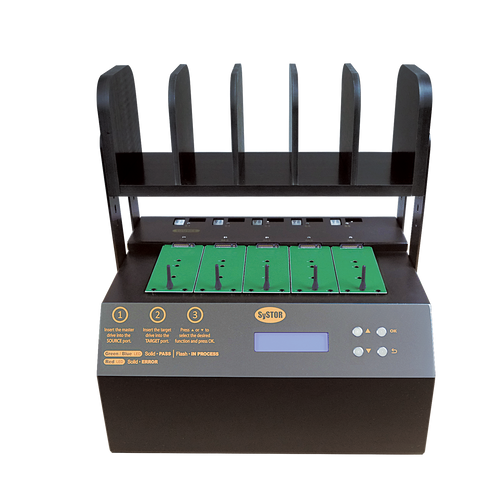
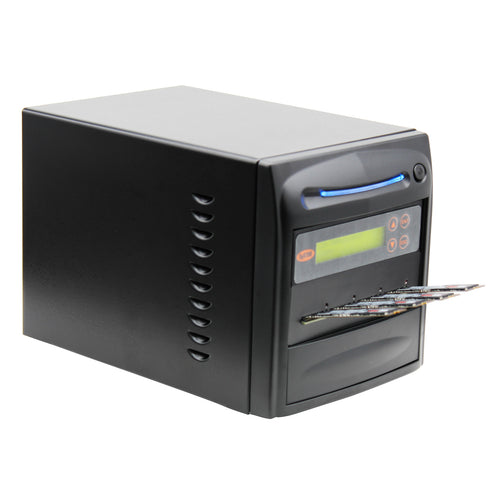
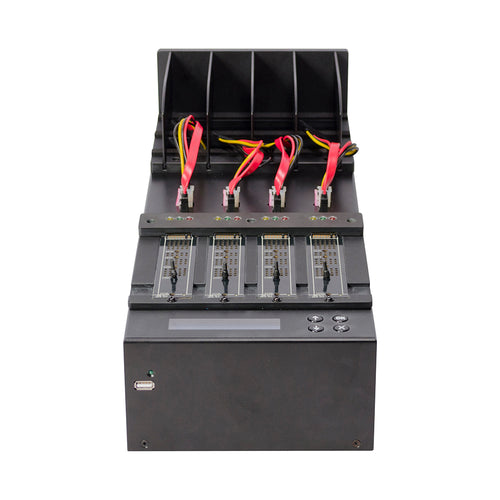
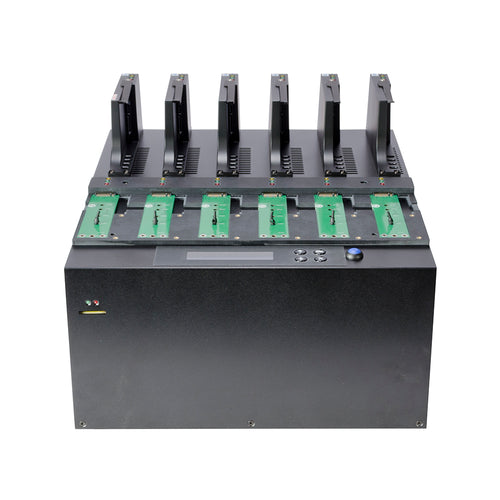
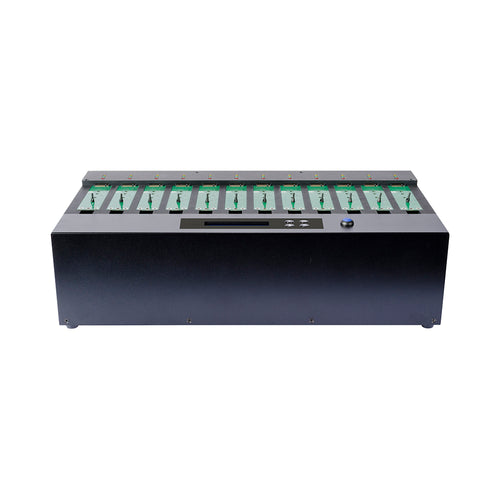
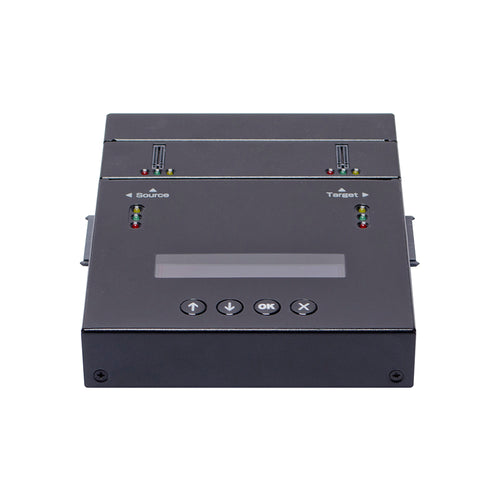
Systor duplication systems utilize dedicated FPGA-based hardware controllers to perform direct drive-to-drive data transfer and sanitization. Unlike software-based cloning that typically depends on a host computer’s operating system and available system resources, Systor Systems duplicators use dedicated standalone hardware channels designed for reliable, sustained multi-drive duplication. The result is controlled, predictable, and consistent duplication throughput across all active ports.
Standalone Control
FPGA Hardware
Hardware-level duplication architecture built for stable, repeatable, multi-drive execution.
36GB/min
Throughput per port, model dependent
NIST / DoD
Hardware-controlled erase support
Bit-for-Bit
Controller-level sector verification
Industrial-Grade FPGA Duplication Technology
Standalone hardware channels for reliable multi-drive operation.
Systor FPGA-based duplication systems combine standalone hardware architecture with high-speed NVMe and SATA data transfer to deliver reliable, repeatable duplication results. Systor Systems duplicators operate independently of any host OS, performing duplication and sanitization at the hardware level to ensure stable multi-drive operation, true bit-for-bit verification, and support for NIST 800-88 and DoD erase standards.
Dedicated FPGA Controller
Purpose-built hardware channels manage duplication directly.
Standalone Operation
No PC, operating system, software install, or driver stack required.
Closed-Loop Security
Air-gapped workflow helps reduce malware and network exposure.
Bit-for-Bit Verification
Controller-level sector validation for consistent duplication accuracy.
FPGA Hardware vs. Software-Based Cloning
Purpose-built duplication hardware compared to PC-based cloning.
For organizations evaluating NVMe duplicators, SATA duplicators, or industrial drive sanitization equipment, hardware architecture is the foundation of consistent performance.
| Feature | ProDuplicator FPGA Hardware | Software-Based PC / USB |
|---|---|---|
| Data Throughput | Dedicated Bandwidth: Each port operates on its own dedicated hardware channel. | Shared Bandwidth: Speed drops as more drives are added. |
| System Stability | Zero-Crash Architecture: No OS to freeze or update during a job. | OS Dependent: Prone to BSOD, driver conflicts, or background lag. |
| Security | Closed-Loop Air-Gapped: Helps protect master data from network viruses. | High Risk: Vulnerable to malware and unauthorized data access. |
| Data Integrity | Circuit-Level Verification: Physical bit-for-bit hardware check. | Checksum Emulation: Relies on software-level calculation. |
| Drive Safety | Physical Write-Protection: Master port is electronically locked. | Write Risk: OS may accidentally write metadata to the master drive. |
| Sanitization | Native DoD / NIST Engines: Integrated at the controller level. | Software Wipe: Can be bypassed by hidden drive sectors. |
| Setup Time | Instant-On: Ready to clone in under 5 seconds. | Slow Boot: Requires PC login, software launch, and mounting. |
Hardware-Controlled Data Path
PC-based OS path vs. FPGA-controlled hardware path.
For high-volume or mission-critical workflows, Systor FPGA-based duplicators offer a cleaner, purpose-built duplication path—eliminating OS dependency and enabling stable, repeatable multi-drive results compared to PC-based approaches.
PC-Based OS-Controlled Path
Source Drive
Operating System
USB / Software Layer
Target Drives
Data moves through a host computer, operating system, software process, and shared system resources.
FPGA-Controlled Hardware Path
Master Drive
FPGA Controller
Dedicated Channels
Target Drives
Data is handled directly by the hardware controller for a cleaner, purpose-built duplication path.
Controlled Execution
Built for deterministic throughput, verification, and sanitization.
Because duplication is not processed through a PC CPU or memory stack, system performance remains stable during extended jobs.
Deterministic Throughput
- Maintains dedicated bandwidth per port
- Executes parallel multi-target duplication
- Prevents cross-port performance interference
- Sustains throughput up to 36GB/min per port, model dependent
- Delivers consistent data throughput per port, model dependent
Hardware-Level Sector Verification
- Direct sector read and write operations
- Sequential data mapping
- Verification passes independent of OS routines
- Consistent sector-level validation
Standalone Controlled Operation
- No operating system dependencies
- No background software processes
- No automatic system updates
- No driver conflicts
- No network exposure in standalone models
Integrated Sanitization Modes
- DoD 5220.22-M erase support
- NIST 800-88 compliant erase routines
- Hardware-controller managed execution
- Consistent command execution across target drives
Professional Duplication Systems
FPGA-based standalone duplication technology for controlled environments
Systor Systems Inc. delivers FPGA-based standalone duplication technology designed for controlled, professional environments where performance consistency, data integrity, and sanitization reliability matter.
Organizations researching NVMe duplicators, SATA duplicators, hard drive duplicators, forensic duplication workflows, or industrial drive sanitization equipment can use Systor hardware architecture to support stable, repeatable duplication across active ports.
Need Help Choosing?
Find the right FPGA-based duplicator for your workflow.
Contact our sales team for product recommendations, quotes, purchase order support, and configuration assistance.